






The United States Environmental Protection Agency established pretreatment standards for dental offices that discharge wastewater containing dental amalgam to a publicly owned treatment works. In practical terms, many practices that place or remove amalgam need compliant amalgam-removal equipment and must follow specified best management practices. The rule includes exceptions and definitions, so a practice should confirm its status with the EPA guidance and its local control authority instead of assuming that every location is treated identically.
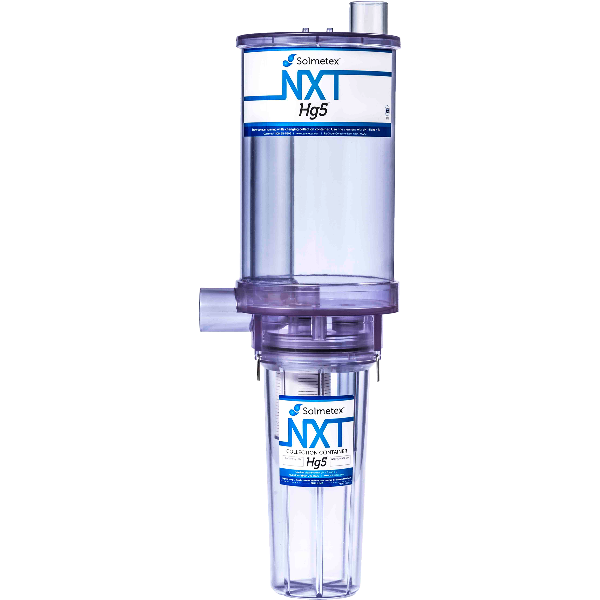
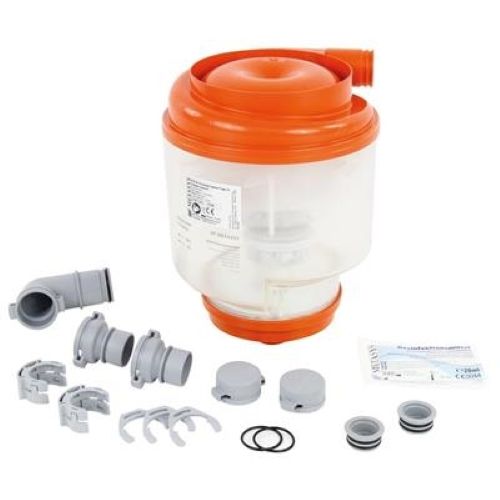
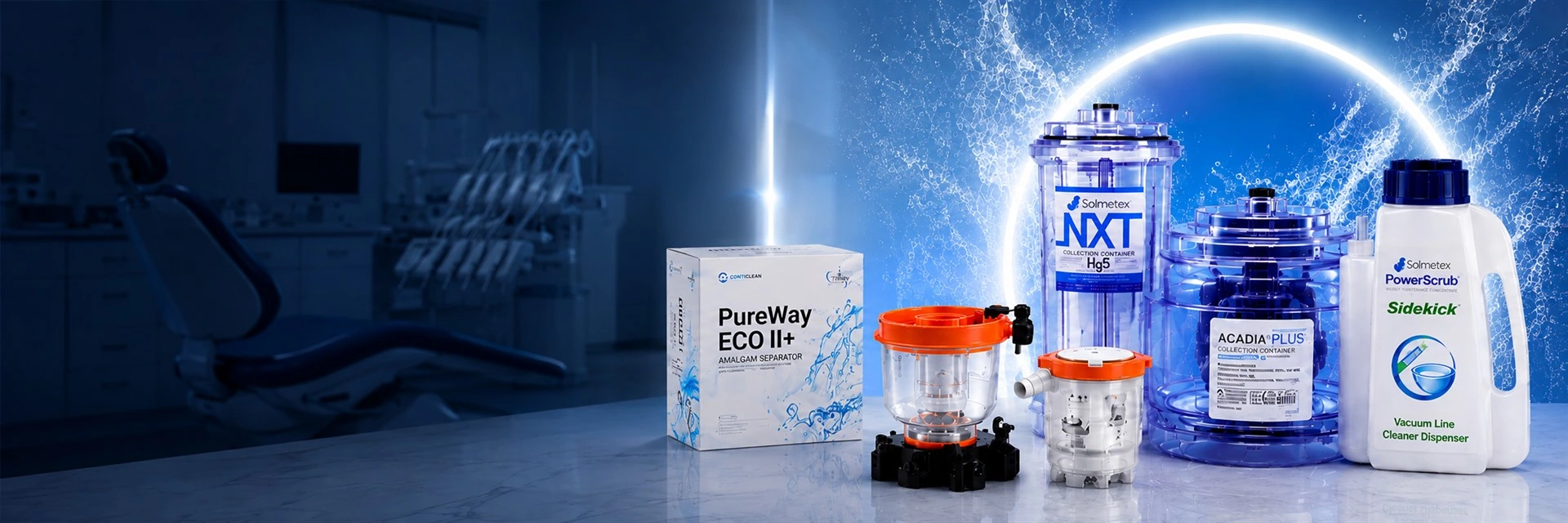
The equipment requirement is commonly the most visible part of the program. A practice generally uses an amalgam separator or another qualifying amalgam-removal device designed to capture solids before they enter the sewer. Selection should begin with the actual office: number of chairs, expected amalgam load, available installation space, plumbing layout, service access, replacement-container capacity, and the instructions for the vacuum system. A product label alone does not establish that the full installation is appropriate.
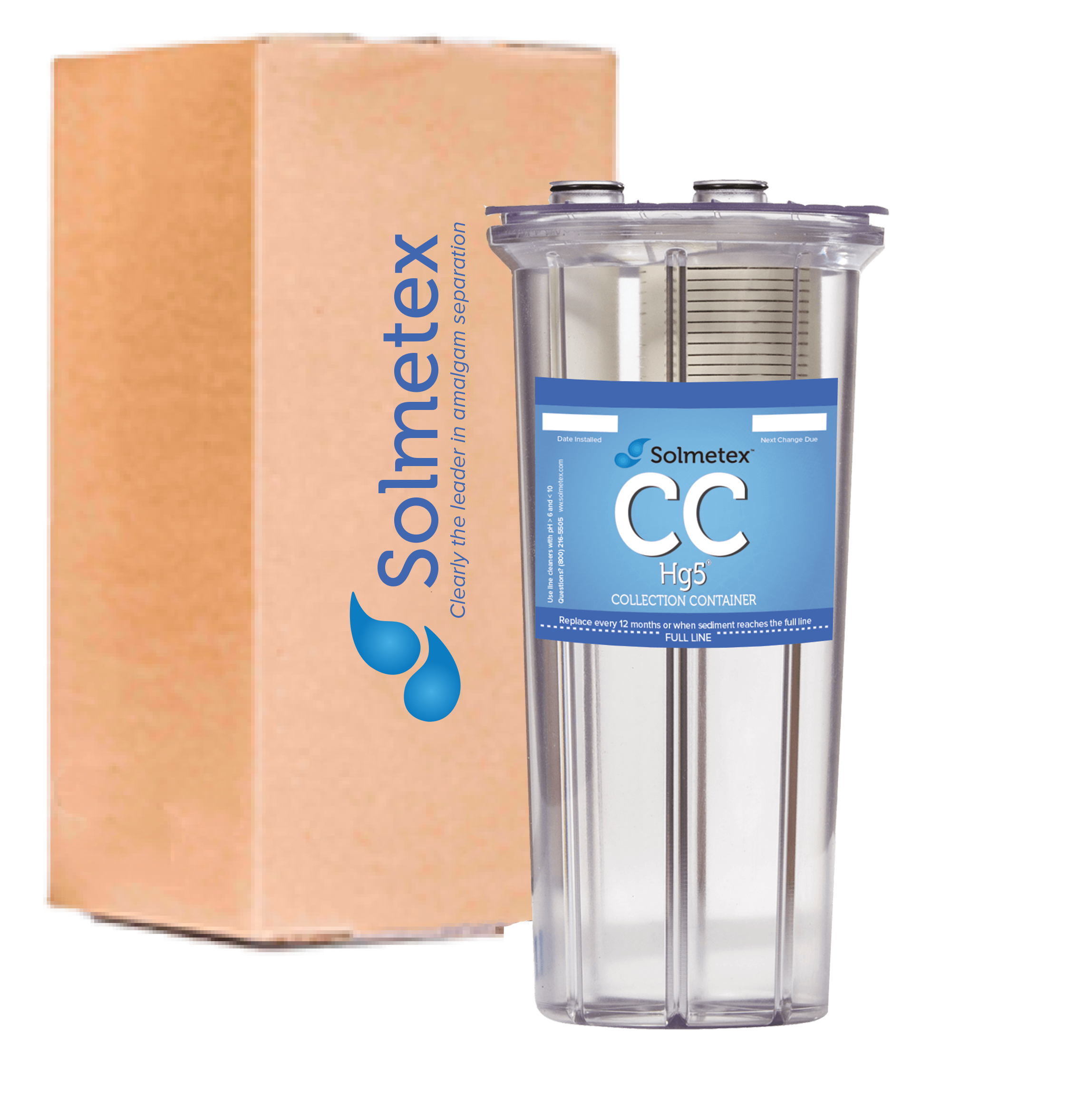
Compliance continues after installation. The separator needs to be operated and maintained according to the manufacturer instructions, and spent containers or collected material need to be handled through an appropriate recycling or waste pathway. Staff should know who checks fill levels, who orders replacements, where service records are stored, and what happens if the unit is damaged, bypassed, full, or otherwise not operating as intended.
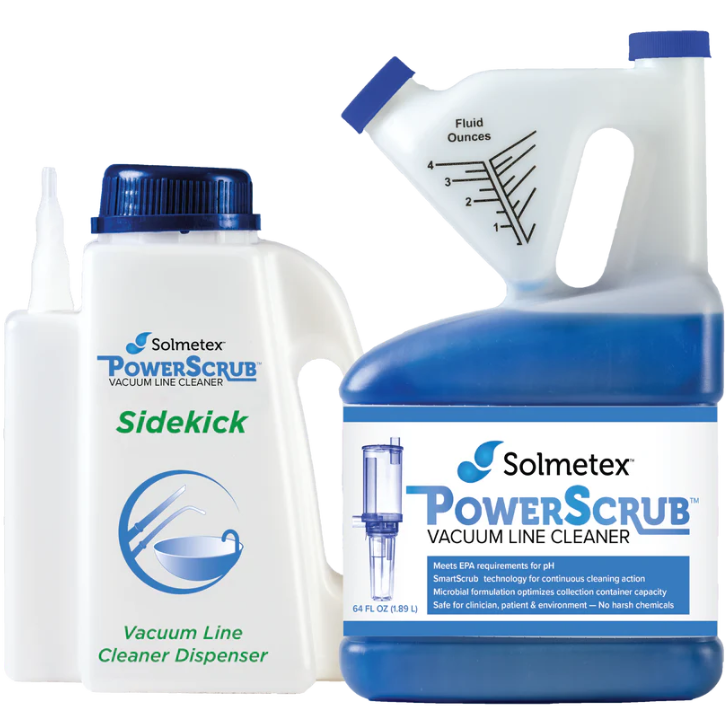
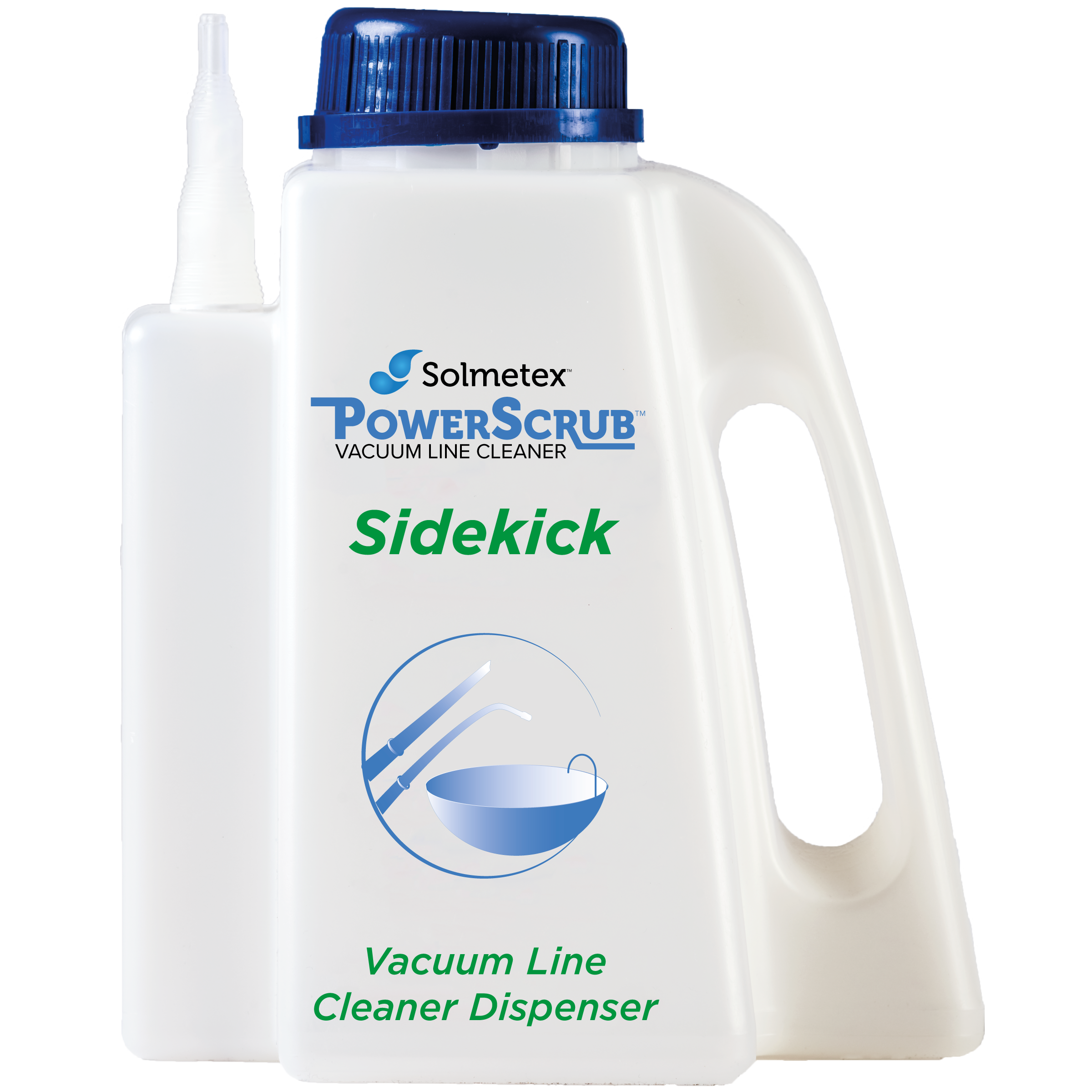
The EPA framework also addresses best management practices. Scrap amalgam should not be rinsed into a drain, and the choice of vacuum-line cleaner matters because certain cleaners can release captured mercury or interfere with separator performance. Review both the regulatory language and the instructions for the separator, cleaner, and vacuum equipment. A familiar cleaning product is not automatically compatible with every system.
Reporting and documentation make the physical equipment defensible. Covered offices generally submit a one-time compliance report and retain required records concerning maintenance and inspection. Ownership changes, equipment replacement, or local requirements can create additional questions. Keep the submitted report, service documentation, recycling records, model and serial information, instructions for use, and relevant correspondence together so the practice can retrieve them without reconstructing years of history.
Four Responsibilities
Build compliance into routine practice operations.
Assign each responsibility to a person, a schedule, and a record location rather than relying on memory.
Install an appropriate system
Confirm capacity, certification, plumbing configuration, service clearance, and compatibility with the practice vacuum system before purchase. Keep the model information and installation documentation with the compliance file.
Maintain it as directed
Use the manufacturer inspection and replacement criteria. Make responsibility visible on the practice calendar, and record container changes, service events, problems, and corrective action.
Control amalgam waste
Collect scrap amalgam and separator material through the designated waste or recycling process. Train the clinical and maintenance teams not to discard amalgam into sinks, sharps containers, or ordinary trash.
Keep reports and records
Store the compliance report, equipment information, maintenance logs, replacement and recycling documentation, and local correspondence in one durable location that remains accessible through staffing changes.
Selecting and Maintaining Equipment
Compare the complete ownership workflow, not only the separator price.
The strongest purchase decision accounts for installation, replacement containers, service access, staff time, and records from the beginning.
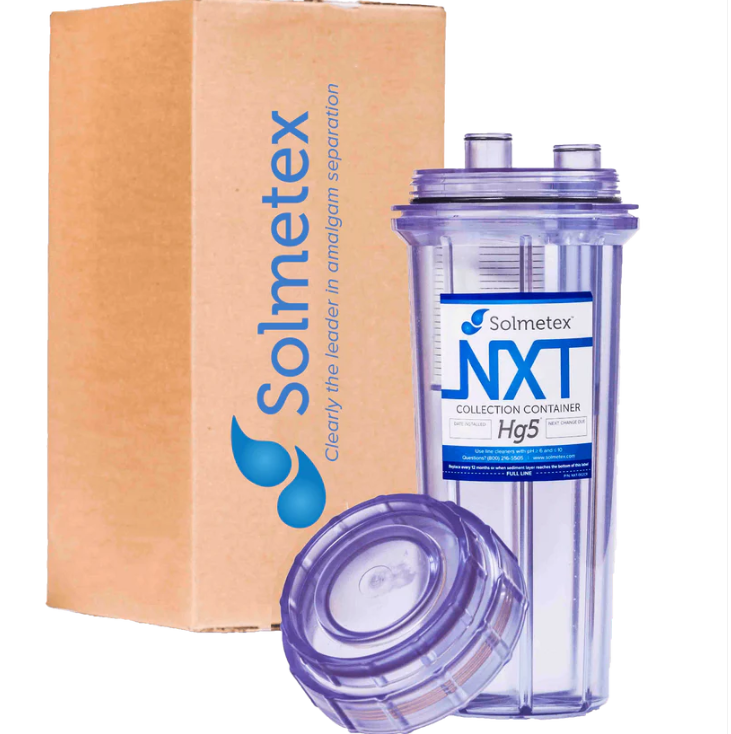
Begin with fit. Document the number of operatories connected to the system, vacuum type, normal procedure mix, plumbing route, available wall or floor space, and where staff will access the collection container. Ask the supplier or manufacturer to confirm the intended configuration. If the product has multiple container sizes or mounting options, compare them against the physical location and realistic replacement interval.
Next, map routine ownership. Identify how the practice recognizes a full container, how a replacement is installed, whether a bypass or shutdown is required, and what packaging or return process applies to the used container. Read the current instructions before the system is placed into service. A replacement product that appears physically similar may not be approved for a particular separator model.
Review vacuum-line chemistry at the same time. The cleaner, separator, and vacuum equipment each have instructions, and all three need to agree. Avoid improvising with bleach, oxidizing chemicals, strongly acidic or strongly alkaline products, or a concentration that is not permitted by the applicable instructions and regulatory guidance. Record the approved product, dilution method, dose, and staff procedure in the maintenance protocol.
Finally, make compliance easy to audit internally. Keep a simple log with the date, observation or service performed, container status, person responsible, and any follow-up. Periodically confirm that the installed model, written procedure, cleaner, replacement inventory, and compliance report still match the practice. This review is especially useful after a renovation, ownership change, equipment replacement, or change in service provider.
The Practical Standard
Compliance is a maintained workflow, not a one-time equipment purchase.
When responsibilities, approved products, replacement supplies, and records are built into normal operations, the separator is more likely to perform as intended and the practice is better prepared to answer compliance questions.
References
Sources and Further Reading
Review the original federal guidance and confirm any additional requirements with the local control authority.
Put This Insight to Work
Ready to compare products for your practice?
Use this guidance to narrow the field, then review compatibility, instructions, and practice requirements before ordering.
Continue Reading