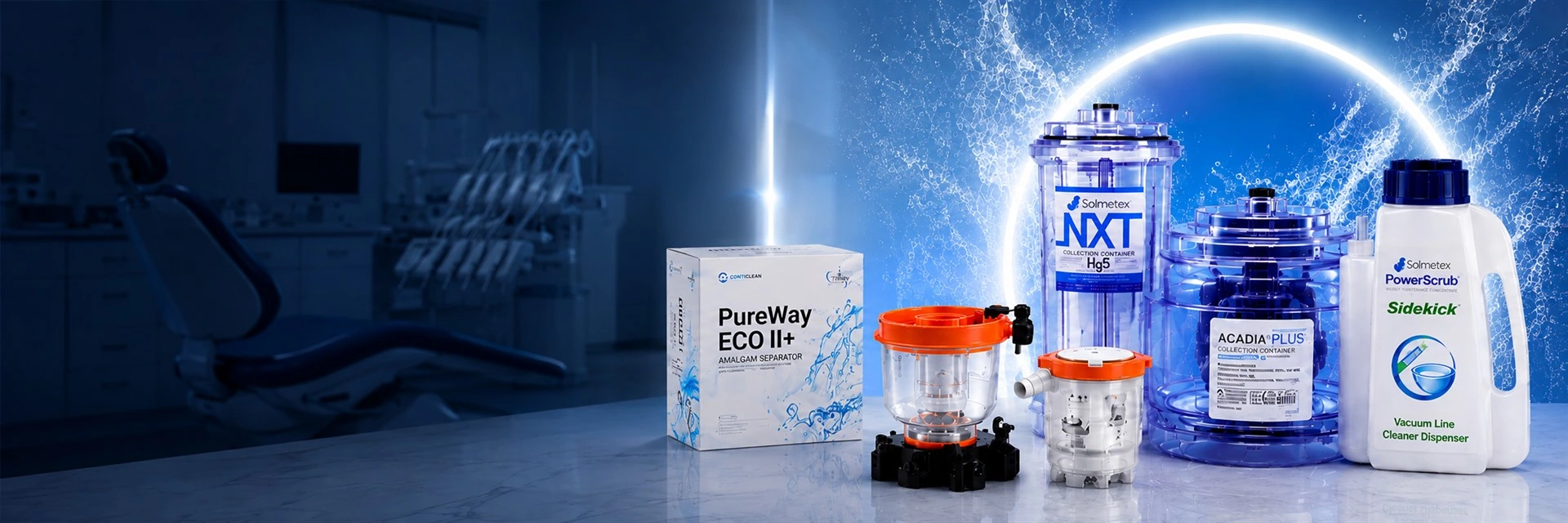

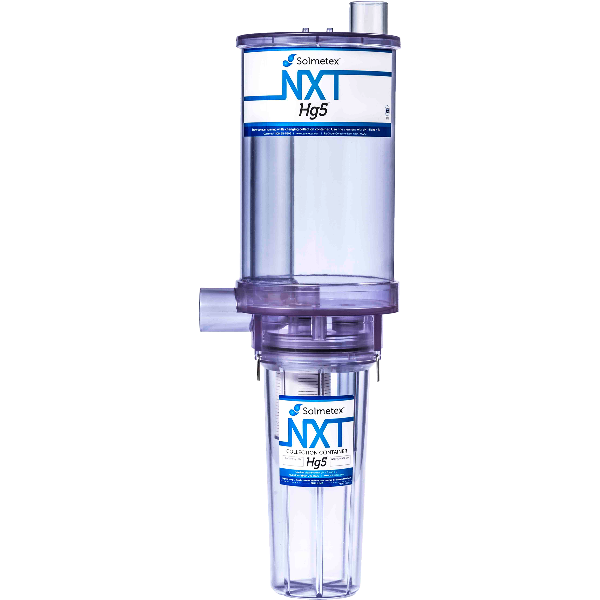
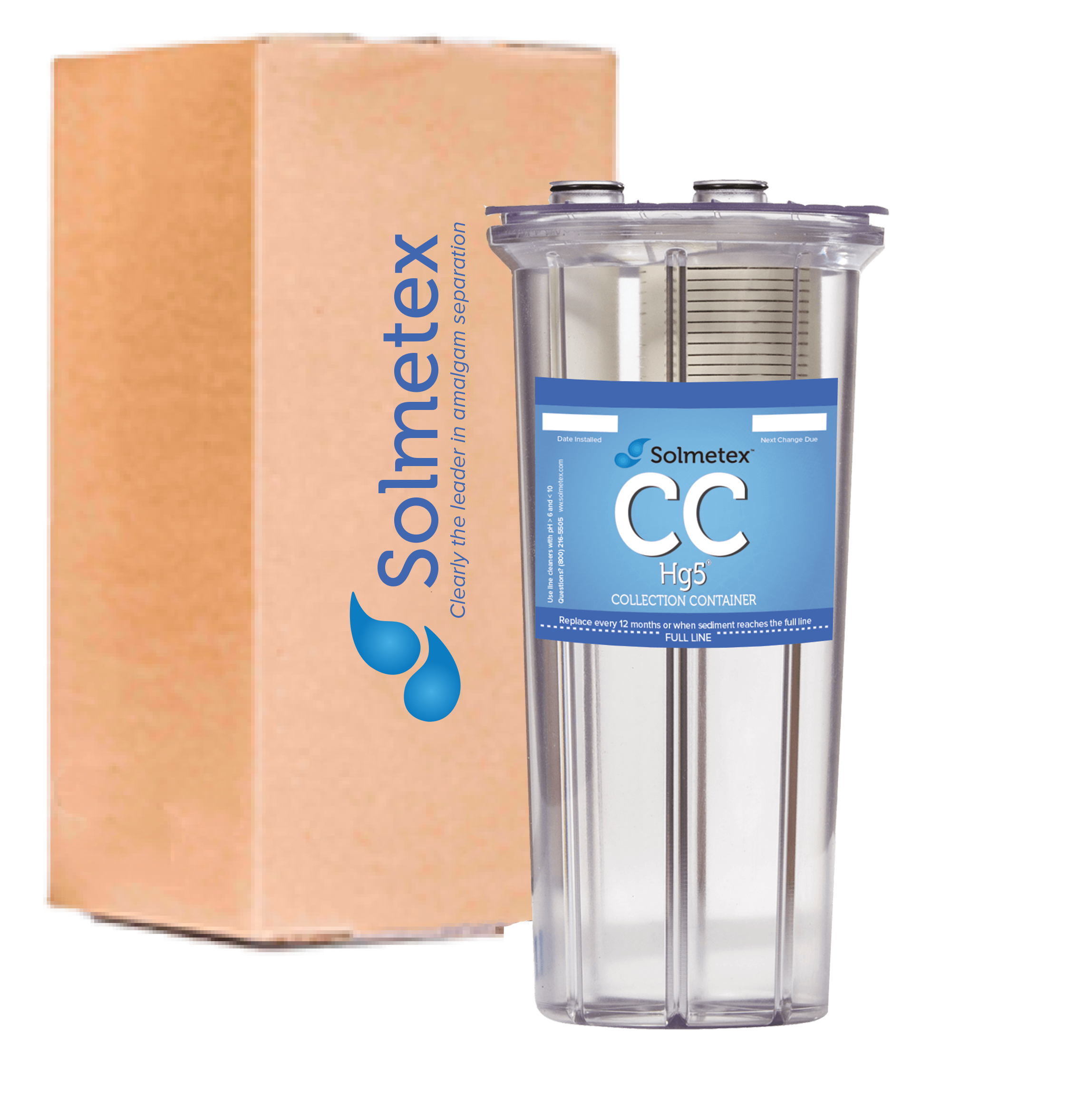





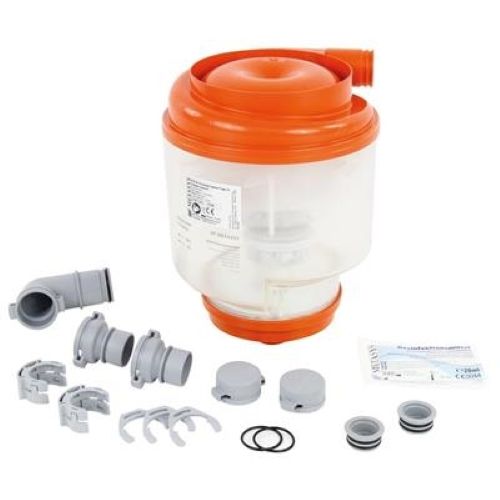
Dental evacuation lines carry saliva, blood, debris, polishing material, and other residue. A line cleaner helps the practice manage buildup and odor while supporting reliable suction, but cleaner selection cannot be separated from the equipment through which it travels. The vacuum pump, piping, traps, amalgam separator, and collection container may each impose limits on chemistry, concentration, foaming, temperature, or use procedure.
Start with the instructions for the installed vacuum and amalgam separator. Look for an explicit statement about compatible cleaners, prohibited ingredients, and acceptable pH. The EPA dental effluent rule includes best management practices intended to prevent captured mercury from being released back into wastewater. Strong oxidizers and products outside the permitted conditions can be a concern, and a cleaner marketed for general disinfection is not automatically appropriate for an amalgam-separator system.
Product claims need context. Terms such as nonfoaming, enzymatic, biodegradable, or neutral pH may be useful, but they do not replace the separator and vacuum instructions. Confirm the actual use-solution characteristics, not only the concentrate. If compatibility is not clear, ask the cleaner manufacturer and the equipment manufacturer for written guidance tied to the exact model and intended dilution.
Dose and contact procedure matter as much as chemistry. Too much product, too little water, an improvised delivery method, or an incorrect sequence can change performance. Follow the cleaner instructions for measuring, mixing, line selection, contact time, flushing, and disposal. Follow the equipment instructions for operating state and any restrictions. Do not create a universal office schedule from a different brand or a social-media tip.
Finally, choose a process that staff can perform accurately. A compatible cleaner that is difficult to measure or unavailable when needed can lead to inconsistent use. Consider packaging, dispensing, storage, staff exposure precautions, training, and how the procedure will be documented. The goal is not simply a clean line at the end of one day; it is a sustainable protocol that protects suction performance and supports the separator over time.
Four Selection Checks
Evaluate the product and the workflow together.
A defensible choice answers these questions before the first dose enters the system.
Compatibility
Match the cleaner to the exact separator and vacuum equipment. Retain the supporting instructions or written manufacturer confirmation with the maintenance protocol.
Chemistry and pH
Review the mixed use solution, prohibited ingredients, pH guidance, foaming characteristics, and material compatibility. Avoid assuming that a household or general disinfectant is suitable.
Dosing and frequency
Use the product and equipment instructions to define quantity, dilution, delivery method, line sequence, contact time, and frequency. Provide the correct measuring and dispensing tools.
Documentation
Record the approved product and procedure, staff training, service observations, and any corrective action. Update the protocol when equipment or products change.

A Five-Question Purchasing Checklist
Make the product earn its place in the maintenance program.
Use the same checklist whether the practice is selecting a cleaner for new equipment or reviewing a long-standing routine.
First, is the cleaner expressly compatible with the installed separator and vacuum equipment? Record the manufacturer, model, and source of that answer. Second, what is the chemistry of the diluted use solution? Review pH guidance, oxidizing ingredients, foaming behavior, and any material restrictions described by the manufacturers and applicable regulation.
Third, what exactly must the team do? The instructions should give a clear method for measuring, diluting, delivering, and flushing the solution. Confirm whether all lines are treated, whether a dedicated dispenser is needed, and what personal protective equipment or storage conditions apply. If staff need to invent missing steps, obtain clarification before standardizing the product.
Fourth, does the recommended routine fit the practice day? Product-specific instructions may call for a particular frequency or procedure. Build that requirement into opening, turnover, or closing duties as appropriate, and assign ownership. Keep enough product and the correct dispensing supplies on hand so the protocol does not change when inventory runs low.
Fifth, how will the practice know the program is working? Monitor suction performance, visible debris at traps, odor, equipment alerts, separator condition, and service findings. A line cleaner cannot correct every mechanical or plumbing problem. Repeated suction loss, unusual noise, leaks, rapid separator loading, or persistent odor should trigger equipment troubleshooting rather than progressively stronger chemical treatment.
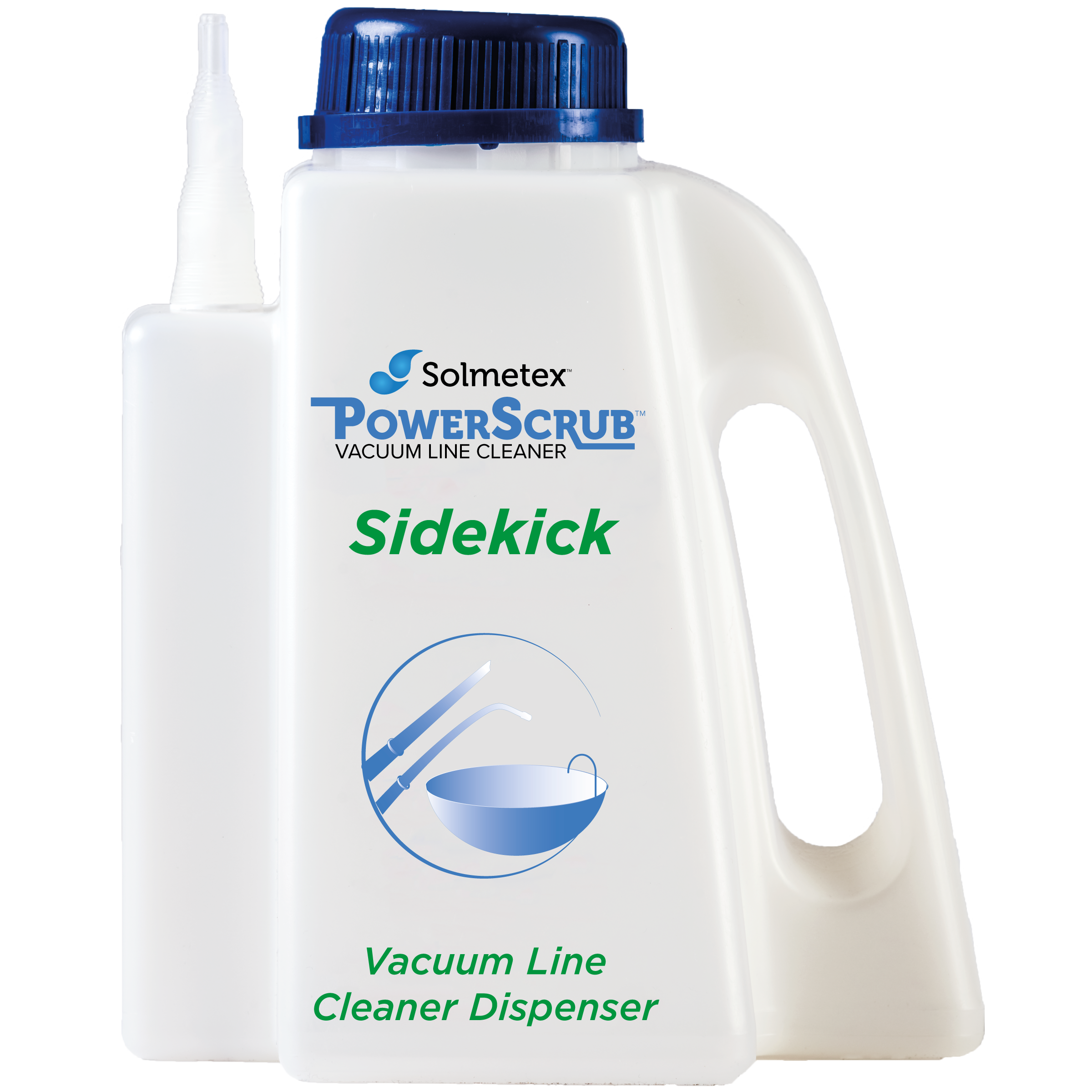
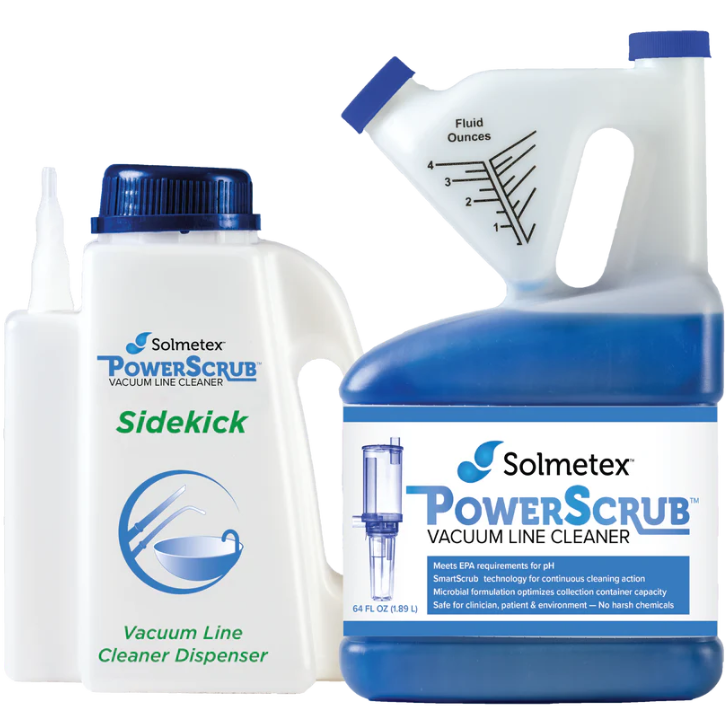
For a product such as PowerScrub, use the current instructions for use for its mixing and application details and confirm that those directions align with the installed equipment. Product-specific directions belong in the written protocol; they should not be generalized to a different cleaner or system.
The Practical Standard
The correct cleaner, the correct procedure, and clear documentation work as one system.
Compatibility protects the equipment choice. Accurate dosing supports repeatability. A written record helps the practice maintain the same standard when staff, products, or service providers change.
References
Sources and Further Reading
Review the regulatory guidance and current product instructions alongside the instructions for the installed vacuum and amalgam separator.
Put This Insight to Work
Ready to compare products for your practice?
Use this guidance to narrow the field, then review compatibility, instructions, and practice requirements before ordering.
Continue Reading