


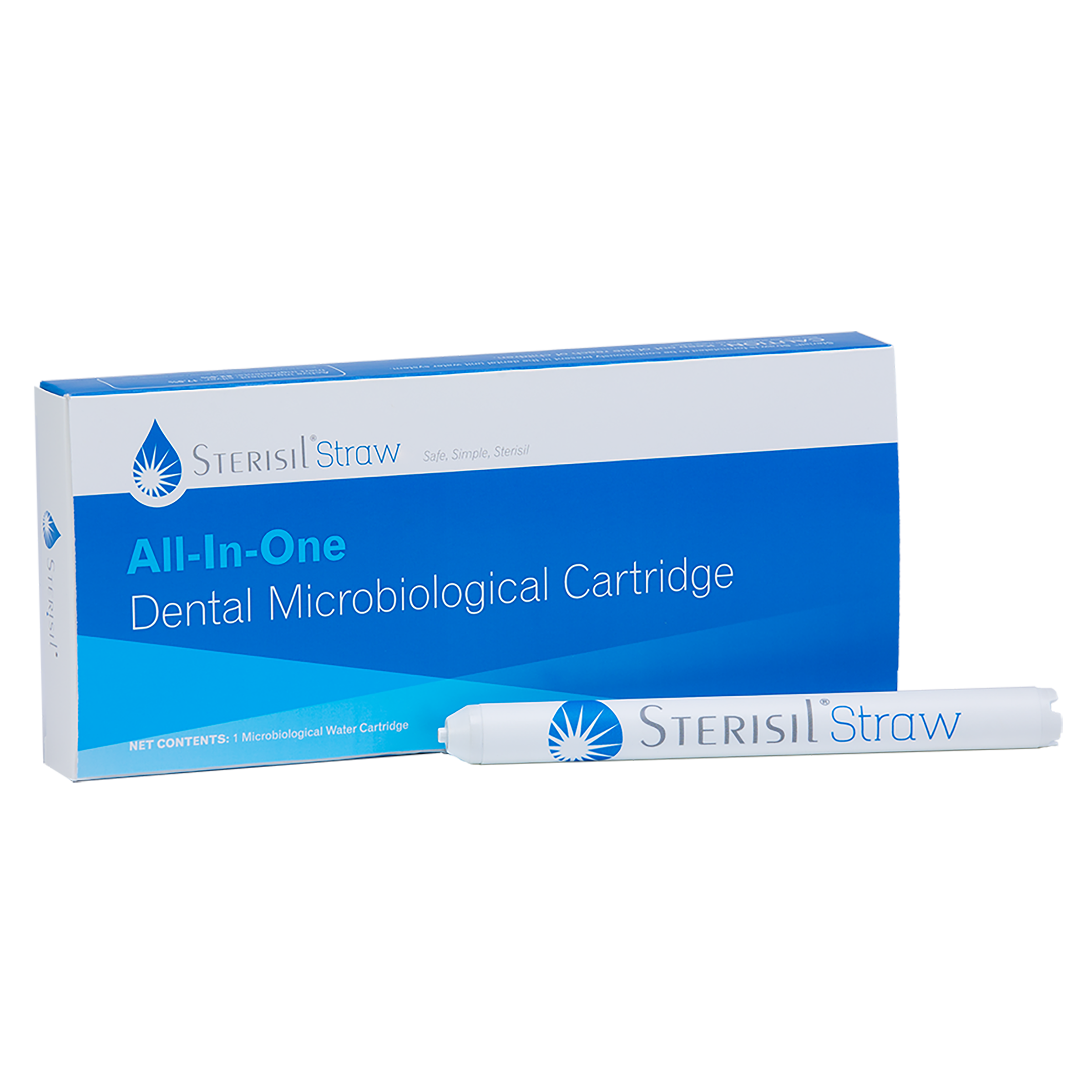



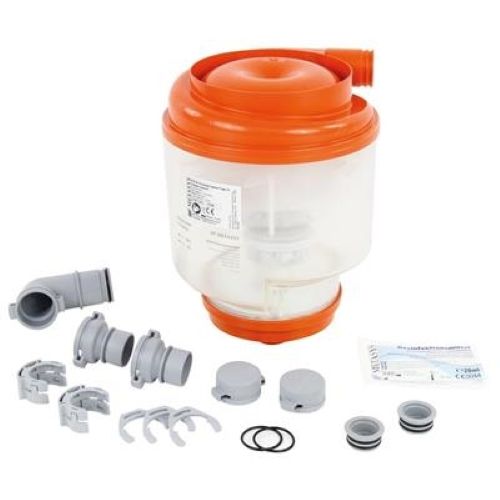

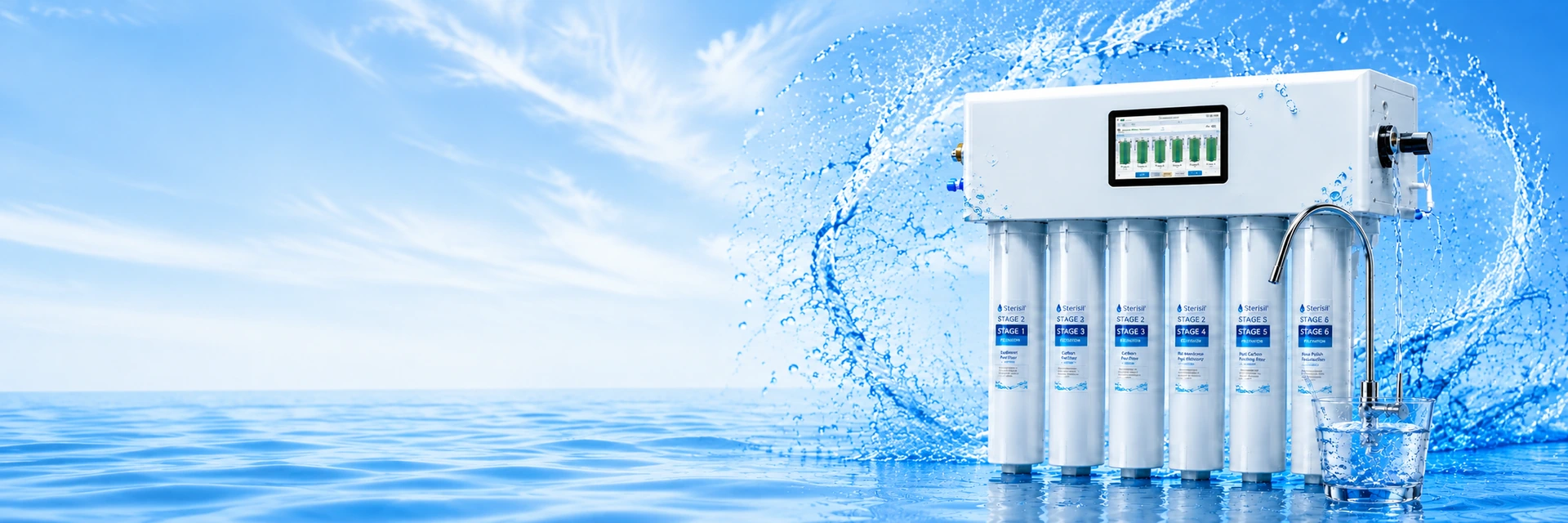
Dental unit waterlines have small internal diameters and long stretches of tubing. Water can remain in that tubing between patients, overnight, or during closures. These conditions can support biofilm, a community of microorganisms attached to the inner surface of the line. Once established, biofilm can continually release microorganisms into treatment water even when the incoming municipal or bottled water begins at an acceptable quality.
The Centers for Disease Control and Prevention recommends that water used for routine nonsurgical dental treatment meet the regulatory standards for drinking water, generally 500 colony-forming units per milliliter or less for heterotrophic water bacteria. Meeting that benchmark requires more than filling a bottle with clean water. Practices should use waterline treatment methods and monitoring procedures that are appropriate for the dental unit and consistent with the manufacturer instructions.
There is no single treatment schedule that fits every office. Dental units, independent reservoirs, cartridges, tablets, liquids, shock products, filtration or purification systems, and source water can differ. Start with the current instructions for the dental unit and every treatment product. Confirm whether the system requires continuous treatment, periodic treatment, a startup or shock procedure, flushing, cartridge replacement, or a particular water source. When instructions conflict or are unclear, obtain written clarification from the equipment or product manufacturer.
Monitoring closes the gap between an intended protocol and actual performance. Use a validated method that fits the practice needs, follow the test instructions, and define what result triggers corrective action. A single passing result is useful but does not prove that every chair will remain within the target indefinitely. Testing frequency should reflect manufacturer instructions, product claims, prior results, changes to the system, and applicable local requirements.
Treatment water for surgical procedures needs separate attention. CDC guidance calls for sterile solutions delivered through an appropriate sterile delivery device for procedures that involve the incision, excision, or reflection of tissue that exposes normally sterile areas. A standard dental unit waterline that meets the nonsurgical benchmark is not a substitute for sterile surgical irrigation.
A Repeatable Program
Treat, test, document, and correct.
These four actions turn waterline maintenance from an occasional task into a system the whole team can follow.
Treat
Choose a method approved for the dental unit and use it exactly as directed. Document product, concentration or configuration, responsible staff, replacement interval, and special startup or closure steps.
Test
Monitor representative units with a method and schedule suited to the system. Follow sampling instructions carefully because technique, timing, storage, and interpretation can affect the result.
Document
Record the unit, date, method, result, treatment status, cartridge or product lot when useful, and person completing the task. Keep corrective actions beside the result that prompted them.
Correct and retest
When a result is outside the target, remove the affected unit from routine use as appropriate, follow the approved remediation process, investigate likely causes, and verify recovery before returning to the normal schedule.
From Instructions to Daily Practice
Build one written workflow for each water system.
A concise chair-by-chair protocol helps different team members perform the same work and makes gaps easier to find.
Inventory the equipment first. List every dental unit, model, water source, bottle or reservoir, treatment product or cartridge, and any device that changes the incoming water. Record installation dates and current instructions. Similar-looking operatories may have different equipment generations or tubing configurations, so avoid treating the entire practice as one system until the inventory confirms it.
Translate the instructions into clear tasks. Separate steps performed between patients, at the beginning or end of the day, after weekends or extended closures, and at a manufacturer-defined replacement interval. Identify the correct product and measurement tools. If a treatment requires mixing, write the approved ratio and method where staff perform the task rather than relying on memory.
Create a monitoring plan before a problem occurs. Define which units are sampled, the approved test, the desired result, who reviews it, and what happens when the result is above the target. Corrective action may involve repeating treatment, shock treatment, replacing a component, investigating source water, servicing equipment, or contacting the manufacturer. The correct response depends on the system and should come from its instructions rather than a generic internet recipe.
Review trends, not only individual results. Repeated borderline or failed results can point to inconsistent dosing, expired product, a depleted cartridge, stagnation, a sampling problem, or equipment that needs service. Conversely, stable documented results provide useful evidence that the protocol is being followed. Revisit the program whenever equipment, treatment products, source water, office hours, or manufacturer guidance changes.
The Practical Standard
A waterline product works only when the practice supports it with a consistent protocol.
Pair the selected treatment with correct use, meaningful monitoring, documented results, and a defined corrective-action path. That system is more dependable than any isolated product or test result.
References
Sources and Further Reading
Use the CDC guidance together with the current instructions for every dental unit, treatment product, test, and water system in the practice.
Put This Insight to Work
Ready to compare products for your practice?
Use this guidance to narrow the field, then review compatibility, instructions, and practice requirements before ordering.
Continue Reading